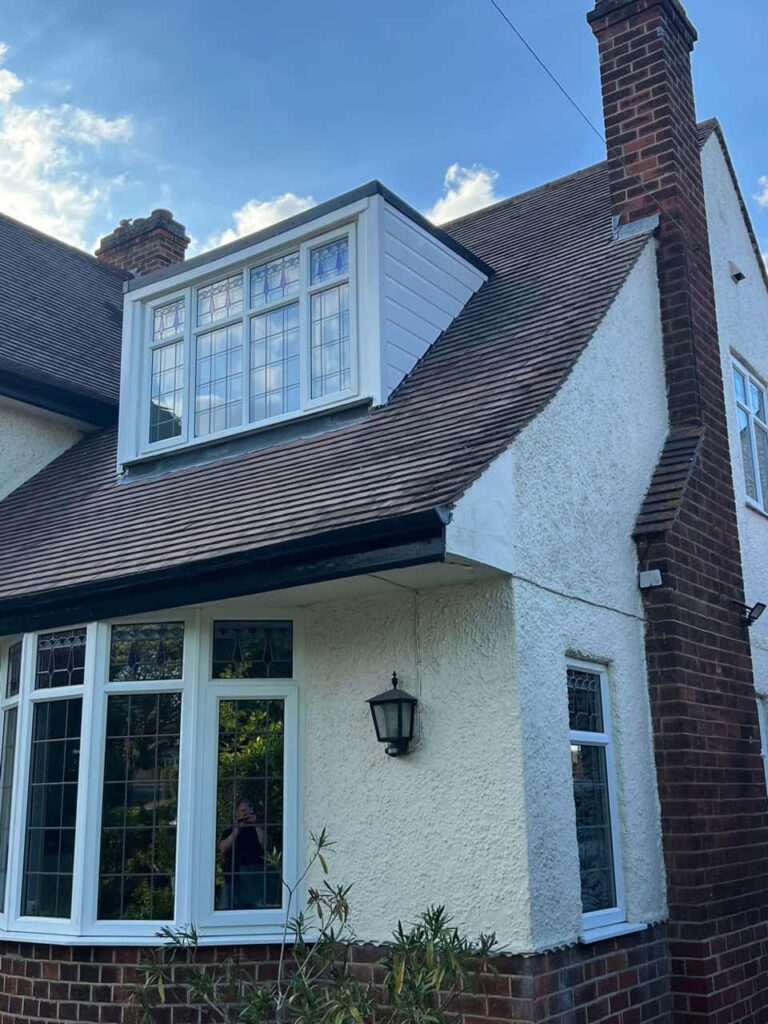
Roof deterioration does not always begin with a dramatic leak or visibly missing tiles. Small changes can develop gradually, allowing moisture and weather exposure to affect the roof before the problem becomes obvious inside the property.
For homeowners in Atherstone, Warwickshire, recognising these early warning signs can help ensure that repairs remain focused and manageable. Not every symptom indicates extensive damage, but persistent or recurring changes should be professionally assessed.
Common Signs That Your Roof May Be Deteriorating
A roof functions as a complete system. Tiles, underlay, battens, flashing, mortar and drainage components must all work together. Deterioration in one area can therefore affect neighbouring materials if it is left unresolved.
Tiles Have Moved Slightly
A roof tile does not need to fall completely before it creates a problem. Even minor movement can expose the edge of the underlay or create an opening for wind-driven rain.
One displaced tile may be an isolated defect. Several uneven tiles, however, can suggest weakened fixings, broken tile nibs or deteriorating battens beneath the covering.
Small Cracks Are Appearing in Tiles
Cracked tiles are sometimes difficult to identify from ground level, particularly when the fracture is narrow or located beneath an overlap. Water can gradually enter through the damaged area and reach the materials below.
The surrounding tiles should also be inspected. Similar cracking across one roof slope may indicate general ageing or repeated weather exposure rather than a single accidental break.
Ridge or Verge Mortar Is Crumbling
Mortar around ridge tiles and roof edges can deteriorate gradually. Small fragments found in gutters or around the property may be an early indication that the bedding has weakened.
As mortar breaks down, tiles may become less secure and gaps can develop. Prompt assessment can determine whether local repointing is suitable or whether affected tiles need to be lifted and properly rebedded.
Lead Flashing Has Lifted or Split
Lead flashing protects vulnerable junctions around chimneys, walls, roof windows and other changes in the roof surface. Small splits or lifted edges can admit rain even when nearby tiles appear sound.
Internal damp may appear some distance from the damaged flashing because water can travel along underlay and timbers. The entire junction should be checked rather than treating only the visible internal mark.
Gutters Contain Roofing Debris
Pieces of mortar, tile fragments or excessive surface grit in the gutters can indicate that roofing materials are deteriorating. Although small quantities may not appear significant, repeated debris should not be ignored.
The source may be a weathered tile, failing ridge detail or damaged roof edge. Identifying it early can prevent loose materials from worsening during strong winds.
Damp Marks Appear and Then Disappear
An intermittent ceiling stain is still evidence of moisture ingress. The leak may occur only during prolonged rain or when wind approaches the roof from a particular direction.
Once the weather improves, the surface may dry and make the problem seem resolved. However, the opening in the roof is likely to remain, allowing moisture to return during similar conditions.
There Is a Musty Smell in the Loft
A persistent musty smell can indicate damp insulation, timber or stored materials. Slow water ingress may not immediately produce visible staining in the rooms below.
The loft should be checked from a safe internal position for discoloured timbers, wet insulation and signs of water movement. The external roof covering must then be inspected to locate the cause.
The Roofline Looks Uneven
A visible dip, sag or raised section can suggest that materials beneath the roof covering have moved or deteriorated. Possible causes include weakened battens, damaged decking or prolonged moisture exposure.
An uneven roofline should be professionally assessed rather than judged from appearance alone. Surface repairs will not resolve a problem affecting the supporting structure.
Moss Is Lifting the Tile Edges
Moss does not automatically mean that a roof requires repair. Concern is more appropriate when dense growth enters tile joints, obstructs drainage channels or begins lifting the edges of the covering.
Removing heavy growth without assessing the tile condition can disturb already fragile materials. Any cleaning should therefore be planned around the roof’s age and present condition.
Paint and Plaster Are Deteriorating Indoors
Peeling paint, bubbling plaster or discolouration near ceilings and upper walls may be treated as a decorating problem. However, recurring damage can indicate water entering from above.
Internal finishes should not be restored until the moisture source has been identified and repaired. Otherwise, the same deterioration may return after further rainfall.
Insulation Has Become Damp or Compressed
Insulation can absorb water before a leak becomes visible below. Wet insulation may appear flattened, clumped or locally discoloured.
This can reveal that moisture has spread beyond the point where it entered. The roof covering, underlay and nearby supporting materials should all be included in the inspection.
Previous Repairs Keep Failing
Repeated work in the same area may indicate that earlier repairs addressed a symptom rather than the underlying defect. A nearby tile may have been replaced even though the true cause involved flashing, underlay or a roof junction.
A wider assessment can establish whether several recurring problems share one source. This helps prevent another short-lived repair.
The Roof Requires Attention After Every Period of Poor Weather
A sound roof should withstand normal seasonal weather without repeatedly losing materials or allowing water inside. If new problems appear after each period of wind or rain, sections of the roof may no longer be performing reliably.
The latest visible defect should be repaired, but the surrounding roof should also be checked for similar weaknesses.
Why Professional Inspection Matters
Many signs of roof deterioration look minor from ground level. A professional inspection can determine whether the problem is confined to the surface or extends into the underlay, battens and supporting materials.
The assessment should consider:
- tiles or slates and their fixings;
- ridge, hip and verge details;
- flashing and roof junctions;
- valleys and drainage routes;
- underlay and battens where accessible; and
- internal evidence of moisture.
This provides a sound basis for deciding whether maintenance, a localised repair or more extensive remedial work is appropriate.
Conclusion
Common signs of roof deterioration include displaced tiles, crumbling mortar, damaged flashing, intermittent damp and unusual debris in the gutters. Musty smells, uneven rooflines and recurring internal damage can also indicate that deterioration has spread beneath the visible covering.
If you have noticed a change in your roof in Atherstone, Warwickshire, Atherstone Roofing Repairs can inspect the affected area and identify the underlying cause. Contact us to arrange a professional assessment before a developing defect affects a wider part of the roof.
Call us on: 01827 949 598
Click here to find out more about Atherstone Roofing Repairs
Click here to complete our contact form and see how we can help with your roofing needs.