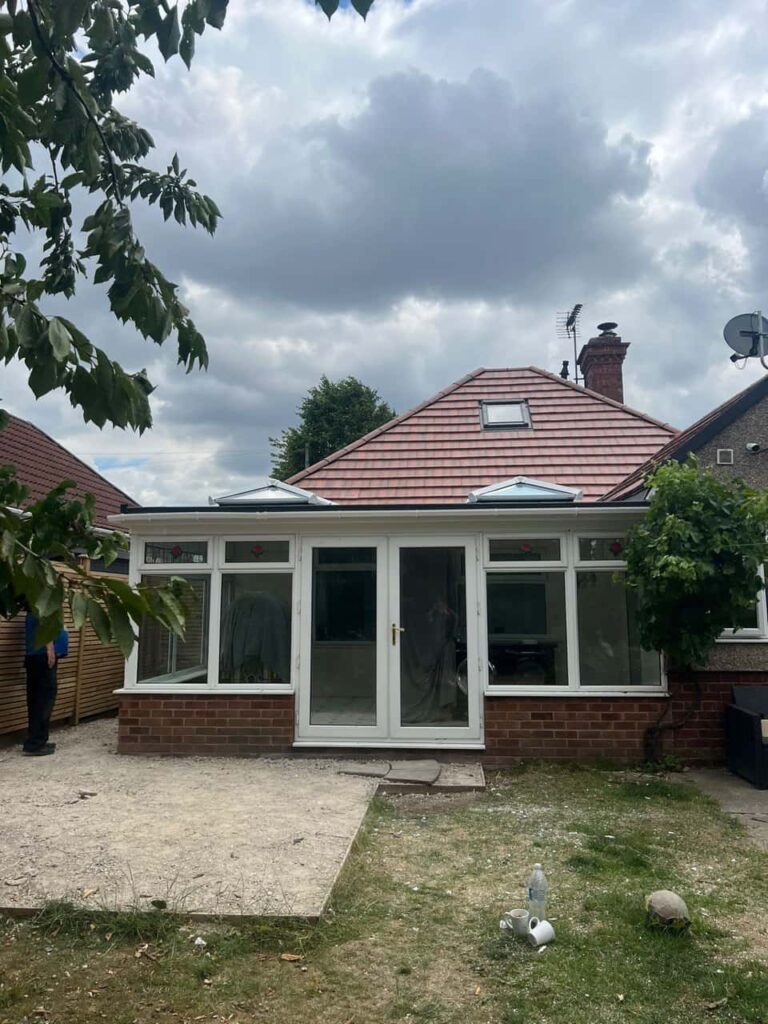
A roof does not need to be actively leaking before it requires attention. Many defects develop gradually, beginning with slight movement, surface deterioration or weakened junctions that have not yet allowed water into the property.
A professional roof check can identify these early warning signs while the surrounding materials remain serviceable. This provides an opportunity to carry out targeted maintenance or repairs before moisture reaches the underlay, battens, insulation and internal finishes.
What Can a Professional Roof Check Reveal?
Tiles and Slates That Have Started to Move
A tile or slate does not need to be missing to create concern. It may have slipped slightly, lifted at one edge or developed movement because its fixing has weakened.
These changes can expose joints and allow wind-driven rain beneath the covering. A roofer can check the alignment of the roof surface, identify insecure materials and examine whether nearby fixings or battens have also deteriorated.
Small Cracks That Are Difficult to See
Fine cracks in tiles, slates and mortar may be difficult to recognise from ground level. They may remain watertight during light rainfall but allow moisture through during prolonged or wind-driven rain.
Close inspection can reveal fractures, chipped edges and surface deterioration before the defect widens. The condition of the surrounding area should also be assessed, as several similar cracks may indicate broader weathering.
Deteriorating Ridge, Hip and Verge Mortar
Mortar around ridges, hips and verges is exposed to wind, rain and temperature changes. Over time, it can crack, crumble or separate from the adjoining tiles.
Early-stage deterioration may not yet have produced a leak, but it can reduce support and allow further movement. A roof check can determine whether localised attention is sufficient or whether a longer section of mortar bedding has become unsound.
Wear Around Chimneys and Flashing
Leadwork and other flashings protect the junctions between the roof and features such as chimneys, walls and rooflights. These areas can become vulnerable when flashing lifts, cracks, slips or pulls away from the adjoining surface.
Because water can travel beneath the covering, a defect around a chimney may eventually produce damp some distance away. Inspecting these junctions before internal symptoms appear helps identify gaps while they remain localised.
Early Problems in Valleys and Roof Junctions
Valleys carry water from adjoining roof slopes and can experience a concentrated flow during rainfall. Debris, damaged lining materials or movement in nearby tiles may restrict drainage or create routes for water to escape beneath the covering.
Other junctions, including changes between pitched and flat roof sections, also rely on carefully installed details. A professional check can assess whether these areas remain securely connected and capable of directing water correctly.
Flat Roof Blisters, Splits and Lifting Edges
Flat roof wear may appear as blistering, fine cracks, open seams or lifting around the perimeter. These defects can remain dry until water ponds over the affected area or temperature movement enlarges the opening.
An inspection should consider not only the visible surface but also outlets, upstands, edge details and connections with walls or pitched roofs. Soft or distorted areas may suggest that moisture has already reached the layer beneath.
Signs of Wear Beneath the Covering
Where accessible, the roof space can provide useful evidence about the condition above. A check may identify:
- Damp or stained timbers
- Marks on the underlay
- Small points of daylight
- Wet or compressed insulation
- Darkened battens
- Water trails around penetrations
- Debris entering through gaps
These signs can help trace a developing defect before it produces a visible ceiling stain in an occupied room.
Guttering and Roofline Problems
Gutters, fascia boards and soffits form part of the roof’s wider drainage system. Blocked outlets, misaligned gutter sections and damaged roof edges can cause water to overflow or remain where it should drain freely.
A roof check can identify staining, deterioration and poor water flow around the eaves. Keeping these areas clear and correctly aligned helps protect the lower edge of the roof and the external walls.
Previous Repairs That Are Beginning to Fail
Older patch repairs can deteriorate at a different rate from the original roofing materials. Sealants may separate, replacement tiles may move or new mortar may lose its bond with the existing surface.
A professional assessment considers whether previous work continues to perform effectively. Identifying a weakening repair before it leaks can prevent repeated moisture penetration in the same area.
Why Early Detection Is Valuable
Once water reaches the interior, it may already have affected materials hidden beneath the roof covering. Early detection allows the defect to be addressed before moisture spreads through timber, insulation or internal finishes.
It can also help keep the work focused. Replacing one damaged component or renewing a local junction is generally more straightforward while adjacent materials remain dry and stable.
When Should a Roof Be Checked?
A roof inspection may be worthwhile when:
- The roof has not been assessed for several years
- Tiles or mortar fragments are found on the ground
- The roofline appears uneven
- Previous repairs are showing signs of wear
- The property has recently experienced strong winds
- Gutters repeatedly overflow
- An older roof contains several different materials or junctions
- You are unsure whether visible weathering is superficial or active
An assessment can also be useful after external changes are first noticed, rather than waiting for damp to appear indoors.
Why Professional Assessment Matters
Many parts of a roof cannot be examined properly from the ground, and attempting to access them without appropriate equipment can be unsafe. A professional roofer understands how individual components work together and can distinguish ordinary ageing from defects that require attention.
The purpose of a roof check is not to recommend unnecessary work. It is to identify the condition of the covering, junctions and drainage details so that any maintenance or repairs are based on clear evidence.
Conclusion
A professional roof check can reveal displaced tiles, cracked mortar, deteriorating flashing, blocked drainage and early signs of moisture before they become an obvious leak. Acting at this stage can protect concealed materials and help keep repairs localised.
Atherstone Roofing Repairs provides professional roof inspections and repairs in Atherstone, Warwickshire. If you have noticed wear or would like the condition of your roof assessed, contact our team to arrange a thorough inspection.
Call us on: 01827 949 598
Click here to find out more about Atherstone Roofing Repairs
Click here to complete our contact form and see how we can help with your roofing needs.